Brow Lamination and Tint: Everything You Need to Know Before Your Appointment
Shaped to Perfection, Naturally Enhanced Brow Lamination and Tint: Everything You Need to Know Before...
Read More 
Get Better Lash Lift Results
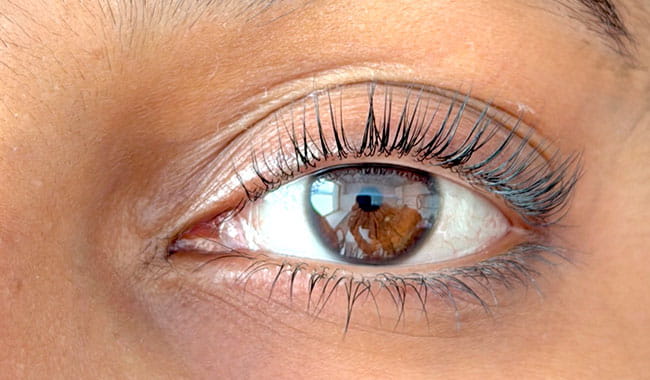
A lash lift can create beautifully lifted, defined, and natural-looking lashes when performed correctly. However, even small mistakes during the treatment process can affect the final outcome and lead to disappointing results.
Whether you’re a salon professional, lash artist, student, or client researching the treatment, understanding common lash lift mistakes can help ensure safer procedures and more consistent results.
In this guide, we’ll explore the most common lash lift errors, why they happen, and how professionals can avoid them.
A lash lift is not simply a cosmetic procedure. It involves restructuring the natural lash shape using professional lifting and setting solutions.
Because the treatment affects the lash structure, accuracy is important at every stage, including:
Even minor mistakes can impact lash health, curl retention, and client satisfaction.
One of the biggest mistakes is starting the treatment without properly assessing the client’s lashes.
Every client has different:
A professional consultation helps determine the most suitable technique and shield size.
Shield selection plays a major role in the final result.
Using a shield that is too large may produce minimal lift.
Using a shield that is too small may create excessive curling.
The ideal shield depends on:
Proper customization improves consistency.
Correct lash placement is essential.
When lashes are not positioned evenly on the shield, results may include:
Professional lash artists take time to ensure every lash is aligned properly.
Over-processing is one of the most common causes of lash damage.
Leaving lifting solutions on too long can cause:
Following recommended processing times is essential.
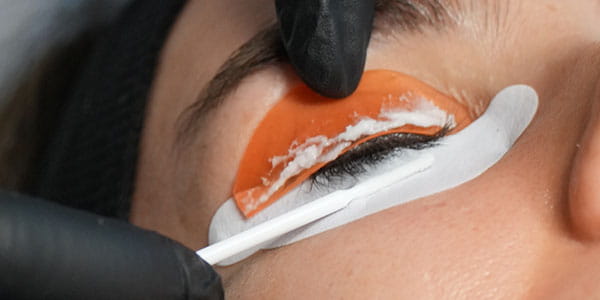
The opposite problem can also occur.
If solutions are removed too early:
Balancing processing time is critical for optimal results.
Product quality directly affects both results and lash health.
Poor-quality formulations may lead to:
Many salons prefer using professional-grade systems specifically designed for predictable and reliable results.
Not every client is an ideal candidate for immediate treatment.
Damaged or weakened lashes may require conditioning before proceeding.
Professionals should always assess lash condition before treatment.
A lash lift requires attention to detail.
Attempting to complete the treatment too quickly often results in:
Efficiency is important, but precision should always come first.
Even a perfectly executed lash lift can lose retention if clients ignore aftercare instructions.
Clients should understand:
Proper education improves longevity.
Oil-based cleansers and makeup removers can affect retention.
Many professionals recommend avoiding oil-heavy products around the eye area whenever possible.
This helps maintain curl retention and lash appearance.
DIY lash lift kits have become increasingly popular online.
However, improper application can result in:
Professional application remains the safest option.
Beauty industry techniques continue evolving.
Lash artists who invest in ongoing education often achieve:
Regular training also helps lash artists stay updated with new techniques, products, and industry best practices. It gives them greater confidence to deliver high-quality results while adapting to changing client expectations.
Continuous learning is one of the most valuable investments for any beauty professional.
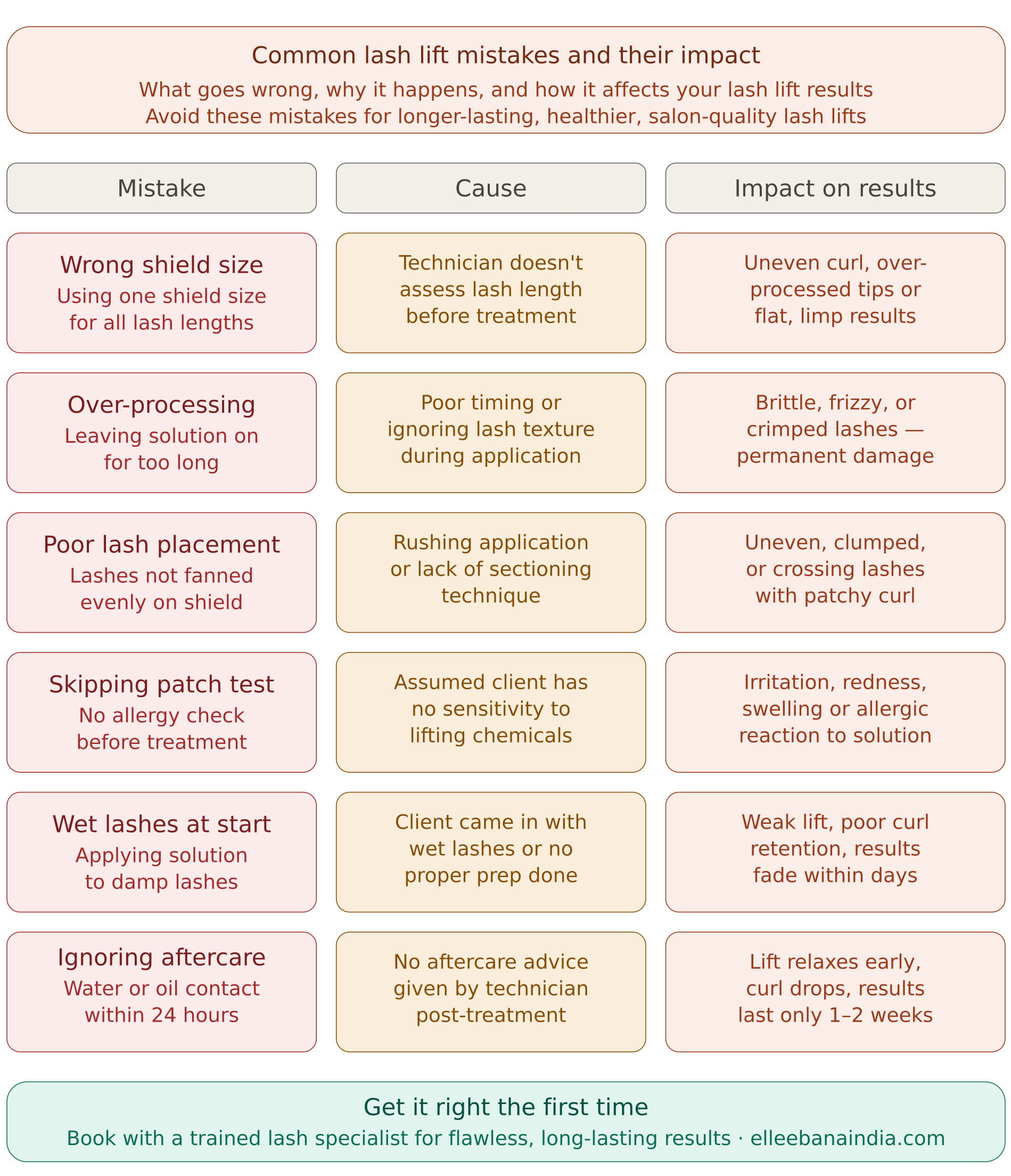
Professional salons focus on:
These practices help create safer treatments and more predictable outcomes.
A successful lash lift typically results in:
Clients should leave with lashes that look enhanced rather than over-processed.
Most lash lift problems are preventable.
By understanding common mistakes and following professional best practices, salons can improve treatment consistency while helping clients achieve beautiful, long-lasting results.
Whether you’re a lash artist or someone considering the treatment, choosing quality products, professional application, and proper aftercare can make a significant difference in the final outcome.
1. What is the most common lash lift mistake?
Choosing the wrong shield size is one of the most common mistakes because it directly affects the final curl pattern and lift result.
2. Can over-processing damage lashes?
Yes. Leaving lifting solutions on too long can lead to dryness, frizzing, and weakened lashes.
3. Why do some lash lifts fail?
Poor lash placement, incorrect processing times, low-quality products, and inadequate aftercare are common reasons.
4. Can a bad lash lift be corrected?
In many cases, professional correction treatments may help improve the appearance, depending on the severity of the issue.
5. How can salons achieve more consistent lash lift results?
Using professional-grade products, following correct application procedures, and investing in ongoing training can significantly improve treatment consistency.
6. Can poor-quality lash lift products affect results?
Yes. Low-quality products can lead to uneven lifting, reduced curl retention, and increased risk of irritation. Many professionals prefer using a professional lash lift kit to achieve more reliable and consistent results.