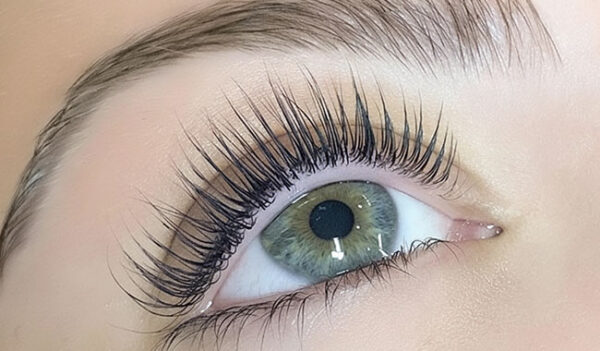
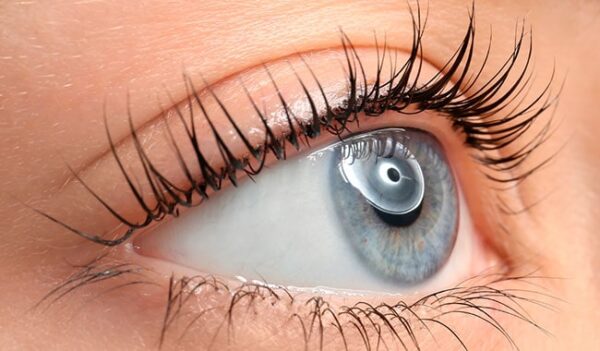
What Is a Lash Lift and Tint? Here’s the Real Scoop
What Is a Lash Lift and Tint? Benefits, Process & Results If you’re one of...
Read More 
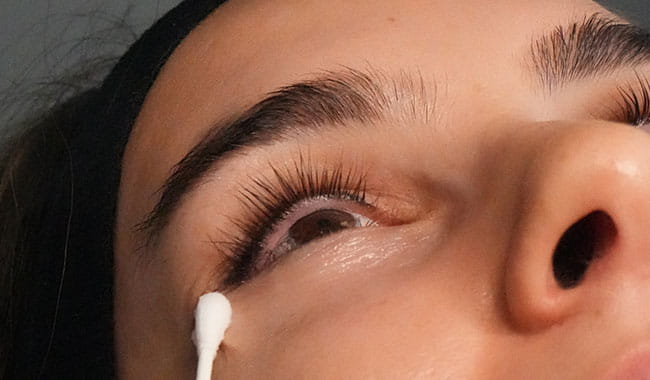
If you’ve been researching lash lift treatments, you’ve likely come across both traditional lash lifts and the newer Korean lash lift technique. While both aim to enhance natural lashes by giving them a lifted, curled appearance, the results can vary significantly depending on the method used and the client’s lash type.
For Indian clients in particular, choosing the right technique is important because lash structure, thickness, and even climate conditions can impact how well a lift holds over time.
In this guide, we’ll break down the key differences between these two techniques and help you understand which option works best for Indian lashes.
A traditional lash lift is one of the most commonly offered treatments in salons. It works by using adhesive to fix the lashes onto a curved shield, followed by applying lifting and setting lotions to create a curl.
This method has been widely used for years and can deliver good results for clients with naturally flexible or fine lashes.
However, because the technique relies heavily on glue placement, it can sometimes limit control during the process — especially when working with thicker or more resistant lashes.
A Korean lash lift is a more advanced technique designed to improve control, consistency, and long-term results. Instead of relying mainly on adhesive, it focuses on controlled lotion placement and structured softening.
This method is especially useful for lashes that are difficult to lift or hold a curl.
If you want to explore professional training and products, you can learn more about Korean lash lift in India.
| Feature | Traditional Lash Lift | Korean Lash Lift |
|---|---|---|
| Technique | Glue-based positioning | Lotion-controlled method |
| Control | Limited | High precision |
| Best For | Fine to normal lashes | Thick, straight, resistant lashes |
| Customisation | Basic | Advanced |
| Curl Retention | Moderate | Long-lasting |
The biggest difference lies in the level of control. Modern lifting methods allow better adjustment based on lash type, which leads to more consistent and longer-lasting results.
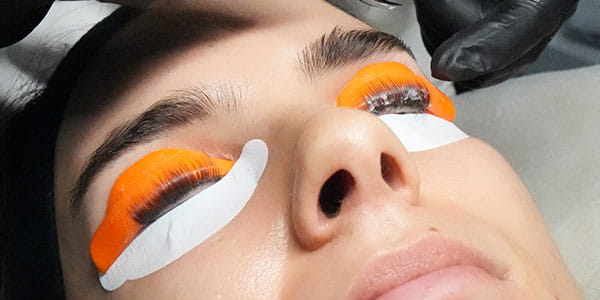
Most Indian clients have lash characteristics such as:
Because of these factors, traditional lash lifts may not always deliver long-lasting or well-defined results.
In comparison, advanced techniques are better suited to handle these challenges. They allow lash artists to adjust the process based on lash behaviour, which improves curl retention and overall finish.
This advanced lash lifting technique is ideal for clients who struggle to achieve long-lasting results with traditional methods. It is especially suitable for individuals with straight, thick, or downward-growing lashes that are difficult to lift or hold a curl.
Clients who often experience poor retention or uneven results from basic lash lift treatments can benefit from the improved control and precision offered by this method. It allows lash artists to customise the lifting process based on lash type, resulting in a more defined and consistent finish.
For those looking for a more reliable and longer-lasting lash enhancement, this technique provides a noticeable upgrade over conventional approaches.
Choosing a more advanced lifting method offers several advantages:
1. Better Curl Retention
The structured process helps the lashes hold their shape for a longer period, even in humid conditions.
2. Improved Control During Application
Lash artists can work more precisely, which reduces the chances of uneven lifting.
3. Suitable for Resistant Lash Types
This technique is ideal for clients whose lashes do not respond well to traditional methods.
4. Natural-Looking Results
Instead of an over-curled or artificial look, the result is more refined and balanced.
5. Reduced Risk of Overprocessing
Controlled product application helps maintain lash health while achieving the desired lift.
While modern techniques are gaining popularity, traditional lash lifts can still work well in certain cases.
You may consider a traditional lash lift if:
For such lash types, a simpler approach can still deliver satisfactory results.
As the beauty industry evolves, more lash artists are upgrading their skills to offer better and more consistent results. Clients today expect longer-lasting effects and safer treatments, which has increased the demand for modern lifting systems.
For professionals, learning advanced techniques not only improves service quality but also allows them to position themselves as premium service providers in a competitive market.
Both traditional and Korean lash lift techniques have their place in the beauty industry. However, for most Indian lash types, advanced lifting methods tend to deliver better performance, improved curl retention, and more predictable results.
For lash artists and salon owners, upgrading to modern techniques can significantly enhance client satisfaction and long-term business growth.
Choosing the right lash lift method depends on understanding lash structure, client expectations, and the level of control required during the process. While traditional methods are still useful, modern approaches offer a more refined and reliable solution for a wider range of lash types.
If you’re looking to improve your skills or offer better results to your clients, exploring advanced lash lifting techniques is a step in the right direction.
1. What is the main difference between Korean lash lift and traditional lash lift?
The main difference lies in the technique. A traditional lash lift relies heavily on adhesive to shape the lashes, while the Korean method focuses on controlled lotion placement and structured softening. This allows better precision and longer-lasting results, especially for resistant lash types.
2. Which lash lift is better for Indian lashes?
For most Indian lash types, advanced lifting techniques tend to work better. This is because Indian lashes are often straight or slightly downward-growing, making it harder for traditional methods to hold a long-lasting curl.
3. Does a Korean lash lift last longer than a traditional lash lift?
Yes, in most cases it provides better retention. The structured process helps maintain the curl for a longer duration, typically around 6–8 weeks depending on lash growth and aftercare.
4. Is a Korean lash lift safe for all lash types?
Yes, when performed by a trained professional using proper techniques and correct processing time, it is considered safe for most lash types.
5. Can beginners perform a Korean lash lift?
It is recommended for trained or certified lash artists. Since the technique requires better control and understanding of lash structure, prior knowledge of basic lash lifting is important.
6. Is a traditional lash lift still effective?
Yes, traditional lash lifts can still be effective for clients with fine, flexible lashes that respond easily to standard lifting methods.
7. Which lash lift gives more natural-looking results?
Both can provide natural results, but advanced techniques often allow better customisation, resulting in a more balanced and refined look.
8. Does humidity affect lash lift results?
Yes, humidity can impact how well the curl holds. Advanced lifting techniques generally perform better in humid conditions compared to traditional methods.
9. How do I choose the right lash lift technique?
The choice depends on lash type, thickness, and desired results. For straight, thick, or resistant lashes, modern lifting techniques usually provide better outcomes.
10. Where can I learn Korean lash lift in India?
You can learn advanced lash lift techniques through certified training programs offered by professional providers like Elleebana India.