What Is a Lash Lift and Tint? Here’s the Real Scoop
What Is a Lash Lift and Tint? Benefits, Process & Results Elleebana Team India If...
Read More 
Gentle Care, Strong Results
If your natural lashes are thin, fine or a little fragile, you’ve probably thought twice before getting a lash lift.
Will the curl actually hold? Will the treatment make my lashes weaker? And is a Korean Lash Lift safe for thin lashes, or is it better to avoid lash lifting altogether?
These are completely fair questions.
And honestly, when it comes to delicate lashes, the answer isn’t simply “yes” or “no”. The technique, products, processing time and experience of your lash artist all make a difference.
So, let’s look at what a Korean Lash Lift actually involves and whether it’s suitable for thin, weak, fine or delicate lashes.
A Korean Lash Lift is an advanced lash lifting technique that originated in Korea and has been incorporated into Elleebana’s professional education.
Unlike a traditional lash lift, where the lashes are generally positioned onto a curved shield from the beginning, the Korean technique first sweeps the lashes upward onto a flatter shield.
The lifting lotion is then applied while the lashes are held in this upward position before they’re moved onto a curved shield for the final shape.
Sounds like a small difference, right?
But that change in positioning gives the lash artist greater control over the direction and tension at the lash root.
This is particularly useful for lashes that are straight, downward-growing, coarse or stubborn and don’t easily respond to a conventional lash lift.
Here’s where it’s important not to lump every lash type together.
The traditional Korean Lash Lift method is primarily suited to thicker, coarser and stubborn lashes. It isn’t automatically the best choice for lashes that are already very fine, weak or compromised.
But that doesn’t mean people with delicate lashes can’t enjoy a beautiful lift.
Elleebana’s advanced Korean Lash Lift education also includes gentler approaches such as the Freestyle Method and Adhesive-Free Method. These techniques give trained lash artists additional options when working with fine-to-medium or more delicate lashes.
So, rather than asking, “Can I have a Korean Lash Lift with thin lashes?”, a better question is:
Which technique is right for my natural lash condition?
That little change in thinking can make a big difference.
If you have fine lashes, your artist needs to be more careful with processing.
Fine hair generally requires less processing than strong, coarse hair. Leaving the product on for longer doesn’t mean you’ll automatically get a better lift. In fact, unnecessary processing can compromise already delicate lashes.
This is why an experienced lash artist should assess your lashes before choosing the technique and processing time.
For delicate lashes, the aim isn’t to create the biggest, most dramatic curl possible.
It’s about creating a soft, healthy-looking lift that suits the natural lash.
And personally, I think that looks much better than an overly processed curl that makes fine lashes look dry or brittle.
This is where things get interesting.
The Freestyle Method changes the sequence of the treatment. Instead of immediately forcing the lashes into an upward position, the lashes are relaxed and softened before being repositioned.
For certain delicate lash types, this can reduce resistance during the lifting process.
Then there’s the Adhesive-Free approach, which uses balms and viscosity-controlled lotions instead of traditional lash adhesive to help position the lashes during the treatment.
For clients with weak, fine or delicate lashes, having these different techniques available means the artist can choose an approach based on the actual condition of the lashes rather than applying exactly the same process to everyone.
That’s one of the biggest benefits of professional lash education.
When people search for Korean Lash Lift safety, they’re usually worried about one thing: damage.
And that’s understandable.
The safety of a lash lift depends heavily on the products being used, processing time and how accurately the treatment is performed.
Elleebana’s Elleeplex Profusion system uses a Cysteamine Hydrochloride (CHC) formulation and includes a lash damage defence complex designed with lash health in mind.
Another important factor is processing time.
Fine and thin lashes generally need considerably less time than strong, coarse lashes. The supplied Elleebana training information notes that processing can be as short as around 4–5 minutes for thin or fine hair, while stronger lashes may require considerably longer.
That’s why copying someone else’s processing time is never a good idea.
Your lashes aren’t identical to theirs.
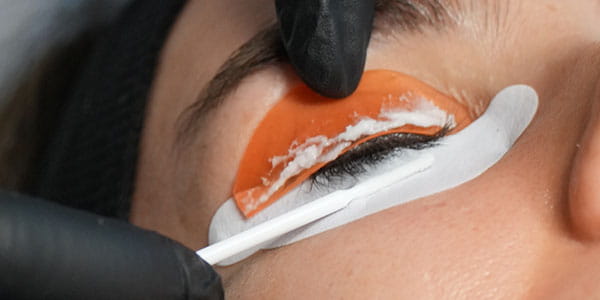
For Korean Lash Lift for thin lashes, the goal shouldn’t be extreme drama.
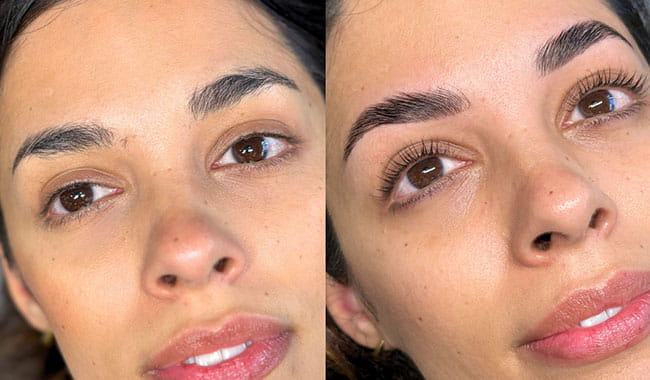
Instead, you can expect a more lifted and open appearance around the eyes, better definition and a naturally enhanced lash line.
A well-performed treatment can make fine lashes look more noticeable without adding the weight of extensions.
You may also find that your everyday makeup routine becomes easier.
A little mascara, or sometimes no mascara at all, can be enough to make the eyes look more awake.
The key is choosing a result that works with your natural lashes rather than fighting against them.
Before booking a lash lift, especially if you have weak or delicate lashes, ask your lash artist a few simple questions:
A good lash artist shouldn’t promise the same result to every client.
They should first look at your natural lashes and then decide what’s appropriate.
And if your lashes are severely weakened or previously over-processed, postponing the treatment may actually be the smartest option.
If you’re searching for a Korean Lash Lift near me, don’t just compare prices.
Look for an artist who has proper professional training and understands different lash conditions.
This matters even more if you’re specifically looking for:
An experienced artist should be able to explain why they’ve chosen a particular method for you.
That’s a much better sign than someone simply saying, “Don’t worry, it’ll be fine.”
So, is Korean Lash Lift safe for thin lashes?
It can be, but the technique needs to match the condition of your natural lashes.
The traditional Korean method is primarily designed for thicker, coarser and stubborn lashes. For thin, weak, fine or delicate lashes, gentler approaches such as the Freestyle and Adhesive-Free methods may be more appropriate when performed by a properly trained professional.
Ultimately, lash lifting isn’t about getting the strongest possible curl.
It’s about getting a beautiful result while respecting the lashes you already have.
If you’re a beauty professional, proper Korean Lash Lift training can help you understand these differences and choose the right technique for different lash types. And if you’re a client, don’t be afraid to ask questions before your appointment.
Healthy-looking lashes should always come first.
This quick reference table summarises the most common Korean lash lift mistakes and their impact on the final results. By avoiding these errors, lash artists can improve curl consistency, lash health, and client satisfaction.
1. Can I get a Korean Lash Lift if I have thin lashes?
You may be able to, depending on the condition of your natural lashes. A trained artist should assess your lashes first and may choose a gentler technique rather than the traditional Korean method.
2. Is Korean Lash Lift safe for weak lashes?
Safety depends on lash condition, products, processing time and application technique. Weak or previously over-processed lashes may require a gentler approach or may need time to recover before treatment.
3. What is the best lash lift for fine lashes?
There isn’t one technique that’s ideal for every client. For fine or delicate lashes, your trained lash artist may consider gentler approaches such as the Freestyle or Adhesive-Free methods.
4. How long does a Korean Lash Lift take on thin lashes?
Fine lashes generally require shorter processing times than coarse lashes. Elleebana’s training information indicates that processing may be as little as 4–5 minutes for thin or fine hair, depending on the individual lash condition.
5. Can a lash lift damage delicate lashes?
Any chemical lash treatment can cause problems if it’s performed incorrectly or over-processed. Correct product selection, controlled processing and professional technique are essential, particularly for delicate lashes.
6. How do I find a professional Korean Lash Lift artist?
Look for a trained lash artist who understands Korean, Freestyle and Adhesive-Free techniques and is willing to assess your natural lashes before deciding which method to use.
7. Does Elleebana offer Korean Lash Lift training?
Elleebana’s professional education includes Korean Lash Lift techniques along with complementary methods such as Freestyle and Adhesive-Free approaches, helping lash professionals adapt treatments to different lash types.