How to Choose a Wholesale Lash Lift Supplier in India: A 10-Point Checklist for Salon Owners
Right Supplier, Right Results How to Choose a Wholesale Lash Lift Supplier in India: A...
Read More 
Smart Consultation, Better Lash Lifts

A successful lash lift begins before the treatment products are applied. A professional consultation helps lash artists understand the client’s expectations, assess natural lash condition, identify potential concerns, and decide whether the treatment is appropriate.
Every client arrives with different natural lashes, previous beauty treatments, and expectations. Some want a subtle enhancement, while others prefer a more noticeable lift. Taking time to understand these differences helps professionals plan treatments more responsibly and communicate realistic results.
For lash artists, a structured consultation is not simply a formality. It is an important part of professional service, client communication, and treatment safety.
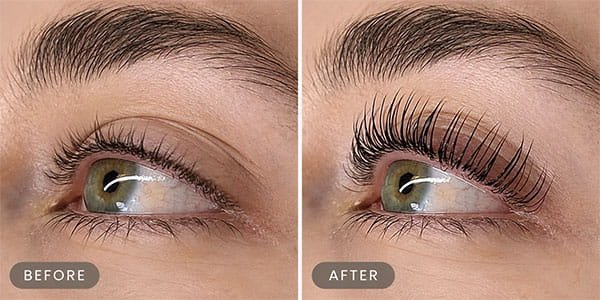
A lash lift changes the appearance of natural lashes by reshaping their direction and curvature. The final result depends on several factors, including natural lash condition, growth pattern, product selection, application technique, and the client’s expectations.
Without an appropriate consultation, a lash artist may overlook previous chemical treatments, existing lash damage, sensitivities, or expectations that are difficult to achieve with the client’s natural lashes.
A consultation helps professionals:
The goal is to make an informed decision before proceeding with the service.
Begin by asking the client what they want to achieve. Some clients prefer a soft, natural-looking lift, while others want their lashes to appear more elevated and defined.
Useful consultation questions include:
These questions help establish the client’s preferences and provide context for treatment planning.
It is also important to explain that a lash lift enhances existing natural lashes. It does not add lash length, density, or volume in the same way as eyelash extensions.
Before selecting a professional lash lift system, examine the natural lashes carefully.
Look for signs of breakage, brittleness, uneven growth, or damage from previous treatments. Consider whether the lashes appear healthy enough for the proposed service and whether any areas require additional attention.
Natural lash length, thickness, and growth direction may influence the treatment plan, but no single characteristic should determine suitability on its own.
For example, long lashes are not automatically suitable for every lifting technique, and fine lashes do not necessarily require the same approach in every case.
The professional should evaluate the overall condition of the lashes and select an appropriate treatment plan based on the chosen product system’s instructions.
A client’s treatment history can provide useful information about their natural lashes and previous experiences.
Ask whether the client has recently received a lash lift, used lash enhancement products, or experienced an unexpected reaction following a beauty treatment.
Previous chemical processing may affect lash condition. Similarly, persistent irritation following a previous treatment should not be dismissed as a normal part of the service.
If the lashes appear compromised, or the client reports an unresolved reaction, postponing the treatment may be appropriate. Follow the product manufacturer’s guidance and recommend suitable medical advice when a health concern requires assessment.
Do not repeat a treatment simply because the client wants a stronger result.
Client safety should remain a priority throughout the consultation.
Ask about known allergies or sensitivities to relevant treatment ingredients and any previous reactions to lash lift products. Follow the manufacturer’s instructions regarding contraindications, patch testing where applicable, and the recommended procedure for evaluating product suitability.
Pay particular attention to clients who report:
When these concerns are present, do not proceed until suitability has been appropriately established. Active eye symptoms may require assessment by a qualified healthcare professional.
A patch test, when required by the product instructions, does not eliminate all risk of an allergic reaction.
Clear communication helps clients understand what a lash lift can and cannot achieve.
The appearance of the final result depends on the client’s existing lashes, their natural growth direction, and the treatment technique used. A lash lift cannot create additional natural lashes or guarantee an identical result for every client.
During the consultation, explain:
This discussion helps prevent unrealistic expectations and supports informed client decisions.
Once the consultation is complete, use the findings to guide the treatment plan.
Consider natural lash condition, growth direction, the desired finish, and the selected system’s instructions when choosing the appropriate shield and application technique.
Do not select products or processing times based on assumptions alone. Different professional systems may have different formulations and instructions, so their processing guidelines should never be treated as interchangeable.
During the service, maintain appropriate hygiene, protect the eye area, and follow the manufacturer’s application and removal procedures.
If the treatment becomes uncomfortable or an unexpected reaction occurs, stop and follow the appropriate product safety guidance.
Maintaining an appropriate client record can help professionals deliver more consistent services over time.
With the client’s consent, record relevant treatment history, the products used, consultation findings, and any important observations. Protect client information and follow applicable privacy requirements.
After the treatment, explain how the client should care for their lashes according to the selected system’s instructions. Provide guidance on product use, cleansing, and when to seek advice if irritation develops.
Clients should not ignore persistent redness, swelling, pain, or changes in vision. These symptoms require appropriate medical assessment rather than another cosmetic treatment.
Before beginning a treatment, a lash artist can use the following checklist:
This checklist supports a consistent consultation process. It does not replace professional training, manufacturer instructions, or appropriate medical assessment when required.
Professional education helps lash artists understand natural lash characteristics, product handling, treatment planning, hygiene, and client communication.
Training also helps professionals recognise when a treatment should be postponed rather than attempting to achieve a particular result at the expense of lash condition or client safety.
At Elleebana India, beauty professionals can explore professional lash lift solutions and education designed to support their lash and brow services.
Discover our professional lash lift systems to learn more about available solutions and professional treatment options.
Why is a consultation necessary before a lash lift?
A consultation helps the lash artist assess natural lash condition, understand client expectations, review relevant sensitivities, and determine whether the treatment is appropriate.
Can a lash lift be performed on damaged natural lashes?
Not every client with damaged lashes is a suitable candidate. The professional should assess the condition and postpone treatment when necessary, following product guidance and appropriate professional advice.
Should a lash artist ask about allergies before a lash lift?
Yes. Relevant allergies, sensitivities, and previous reactions should be discussed before treatment. Follow the manufacturer’s testing instructions and contraindications.
Is a patch test a guarantee that a reaction will not occur?
No. A patch test may help identify certain sensitivities when used according to the product instructions, but it cannot guarantee that a reaction will not occur during or after treatment.
How can lash artists manage unrealistic client expectations?
Explain what the treatment can achieve with the client’s existing lashes, discuss realistic limitations, and recommend an appropriate alternative when the requested result is unlikely to be achievable.
When should a lash lift treatment be postponed?
Treatment should be postponed when there are unresolved safety concerns, active eye irritation, a relevant contraindication, compromised lash condition, or uncertainty about product suitability. Follow the manufacturer’s instructions and seek appropriate professional advice when necessary.
A professional lash lift consultation is an essential step in responsible treatment planning. By understanding client expectations, assessing natural lash condition, reviewing relevant sensitivities, and following product instructions, lash artists can make better-informed decisions before beginning a service.
The best professional approach is not simply to perform a treatment whenever it is requested. It is to determine whether the treatment is appropriate, explain the expected outcome clearly, and prioritise client safety throughout the experience.