Why Korean Lash Lift is Becoming Popular in India – Complete Guide for Lash Artists & Clients
Why Korean Lash Lift is Becoming Popular in India – Complete Guide for Lash Artists...
Read More 
Healthy Lashes, Naturally Understood
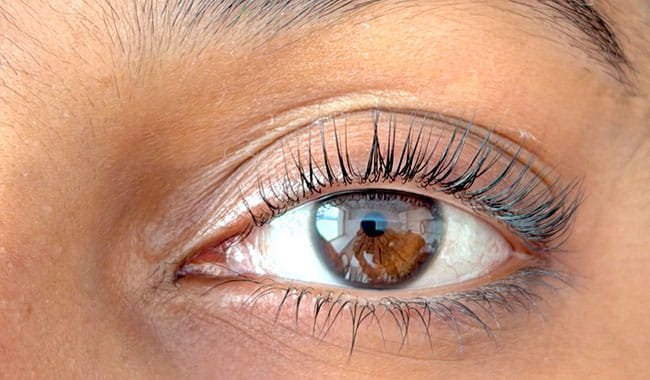
Natural eyelashes do not grow continuously at the same rate. Each lash follows a natural growth cycle consisting of three main stages: Anagen (growth phase), Catagen (transition phase) and Telogen (resting phase). Understanding these stages helps lash professionals make informed decisions about lash lift treatments, client expectations and natural lash maintenance.
For beauty professionals, knowledge of the eyelash growth cycle is essential for understanding why lashes vary in length, why some lashes shed earlier than others, and why treatment results may differ from one client to another.
The natural eyelash growth cycle is the biological process through which eyelashes develop, grow, stop growing and eventually shed to make room for new lashes.
Unlike scalp hair, eyelashes have a relatively short growth cycle. Each individual lash follows its own cycle, meaning all eyelashes do not grow or shed simultaneously. This is why clients generally maintain a mixture of short, medium and long lashes at any given time.
The three primary stages of the eyelash growth cycle are:
Understanding these stages helps professionals appreciate the natural condition of the lashes before performing enhancement treatments.
The Anagen phase is the period when a natural eyelash is actively growing. During this stage, cells within the hair follicle multiply and contribute to the development of the lash shaft.
This is the stage in which the eyelash gradually increases in length. The duration of the Anagen phase is relatively short for eyelashes compared with scalp hair.
Why Is the Anagen Phase Important for Lash Professionals?
During active growth, newly developing lashes are generally shorter and may be more delicate than fully developed lashes. A lash artist should consider natural lash length, thickness and overall condition before selecting a treatment approach.
Professional lash lift treatments should be assessed individually rather than assuming that every lash is at the same stage of development.
The Catagen phase is a transitional period between active growth and rest. During this stage, the eyelash stops growing, and the hair follicle begins to undergo structural changes.
The lower portion of the follicle gradually shrinks, marking the end of the active growth process.
For lash professionals, understanding this stage helps explain why some eyelashes remain at a particular length without becoming longer.

The Telogen phase is the resting stage of the natural eyelash growth cycle. During this period, the lash is no longer actively growing, but it remains attached to the follicle for a certain period.
Eventually, the mature lash naturally sheds and a new lash begins developing through the next growth cycle.
Why Does Natural Eyelash Shedding Occur?
Natural shedding is a normal biological process. Every eyelash has an individual growth cycle, so lashes are continuously being replaced rather than falling out all at once.
Clients may notice a few eyelashes falling out during cleansing or their daily routine. This does not automatically indicate damage or a problem with their lash health.
However, excessive, sudden or patchy lash loss should not be considered normal and may require professional medical assessment.
The complete eyelash growth cycle generally takes several weeks to a few months, although the exact duration varies between individuals.
The duration of each stage can differ depending on factors such as genetics, age, hormonal changes and overall health.
Unlike scalp hair, eyelashes have a shorter active growth period. This naturally limits how long they can grow.
It is also important to understand that the three stages overlap. Since individual lashes are at different stages simultaneously, the entire lash line does not grow or shed together.
Understanding the natural growth cycle helps explain why lash lift results may look different from one appointment to another.
A lash lift enhances the appearance of existing natural eyelashes by creating a lifted, more defined shape. However, it does not change the biological growth cycle of the lashes.
Here are three important considerations:
1. Different Lash Lengths
Newly growing lashes may be shorter than fully developed lashes. This natural variation can influence the overall appearance of the lifted lash line.
2. Natural Lash Replacement
As older lashes naturally shed, new lashes gradually replace them. Consequently, the original lifted appearance changes as the natural lash line renews itself.
3. Individual Lash Characteristics
Lash thickness, length, density and growth patterns all influence the final appearance. Professionals should assess these characteristics before selecting an appropriate treatment approach.
No. A professionally performed lash lift does not change the natural biological growth cycle of eyelashes.
The treatment works on the existing lash structure to create a lifted appearance. Natural lashes continue moving through their Anagen, Catagen and Telogen stages regardless of whether they have received a lash lift.
This is why clients should understand that a lash lift is a temporary cosmetic enhancement rather than a treatment that permanently changes lash growth.
Professional application, appropriate product selection and correct processing are important for maintaining the condition of natural lashes.
Knowledge of eyelash growth biology helps beauty professionals make better treatment decisions and communicate more effectively with clients.
It allows lash artists to:
At Elleebana India, professional lash education focuses on understanding natural lash characteristics alongside appropriate treatment techniques. This knowledge helps beauty professionals approach lash enhancement with greater confidence and care.
1. What are the three stages of the natural eyelash growth cycle?
The three stages are Anagen (active growth), Catagen (transition) and Telogen (resting and shedding). Each stage plays an important role in natural eyelash development and replacement.
2. How long does it take for natural eyelashes to grow back?
Eyelash regrowth varies between individuals. A new lash may take several weeks to become noticeable and longer to reach its full natural length.
3. Do all eyelashes grow at the same time?
No. Each eyelash follows an independent growth cycle. This means some lashes may be growing while others are resting or naturally shedding.
4. Does a lash lift affect natural eyelash growth?
No. A lash lift changes the appearance of existing natural lashes but does not alter their biological growth cycle.
5. Why do lash lift results gradually change over time?
As naturally lifted lashes reach the end of their growth cycle and shed, new lashes grow in their place. These new lashes have not received the previous treatment, so the overall appearance gradually changes.
Understanding the natural eyelash growth cycle is an important part of professional lash education. The Anagen, Catagen and Telogen stages explain how eyelashes grow, transition, rest and naturally shed.
For lash artists, this biological knowledge provides a better understanding of natural lash behaviour and helps create more realistic client expectations. By combining knowledge of lash biology with professional training and appropriate treatment practices, beauty professionals can deliver more informed and responsible lash enhancement services.
Learn more about professional lash lift products and training with Elleebana India, your authorised Elleebana distributor and certified training provider.


