Is Lash Lift Training Worth It? Career, Earning Potential & Growth for Beauty Professionals in India
Train Smart, Earn Confidently Is Lash Lift Training Worth It? Career, Earning Potential & Growth...
Read More 
When the Weather Changes, Your Lash Lift Shouldn’t.
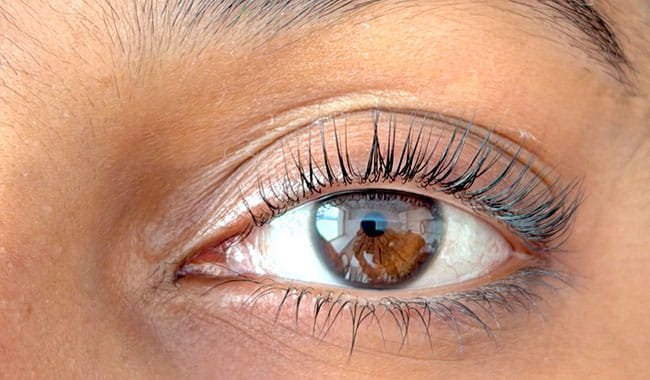
Many Indian lash artists notice the same pattern: a lash lift that holds beautifully in winter starts relaxing within two or three weeks in July. Clients blame the service, and artists blame the product. In most cases, the real culprit is humidity.
In this guide, we explain how humid weather affects a Korean lash lift, what you can control during the service, and what clients should do afterwards.
A lash lift reshapes the bonds inside the lash hair. Once the lash is neutralised, the new curl is set, but it still needs time to stabilise. High humidity, steam and heavy sweating can interfere during that window.
In most Indian cities, especially in monsoon and coastal regions, this means:
Lashes that are already straight, thick or downward-growing, which are very common among Indian clients, are the first to show the difference.
If these appear in only one season, the weather is a likely factor. If they appear year-round, look at processing and technique.
1. Prepare the lashes properly
Oil, sunscreen residue or sweat will block product from working evenly. Cleanse thoroughly and make sure the lashes are completely dry before shield placement. In humid weather, give the lashes extra time to dry.
2. Choose the right shield size for the lash type
Use a shield size that matches the length and texture of the natural lash. Use a shield size that matches the length and texture of the natural lash. A mismatched shield can lead to an uneven or poorly set curl, which is more likely to relax in humid conditions.
3. Use controlled lotion placement
Korean lash lift methods rely on lotion and viscosity control, not heavy dependence on adhesive. Precise placement keeps the product where it should be and prevents uneven softening, which matters even more when the room itself is warm and damp.
4. Watch processing time carefully
Warm, humid rooms can speed up how quickly lashes respond. Overprocessing causes the lash to become weak and frizzy, which hurts retention. Always follow the manufacturer’s timing and check the lashes during the process rather than relying only on a timer. See our guide to Korean lash lift processing time for more detail.
5. Control your studio environment
Keep the treatment room cool, dry and well ventilated if possible. An air conditioner or dehumidifier makes the service more consistent through the year.
6. Don’t rush the setting and neutralising stage
A rushed set is one of the biggest reasons curls drop early. Make sure the curl is fully set before removing the shield.
Share these clearly with every client, ideally in writing:
For a complete list, direct clients to our lash lift aftercare guide.
Some artists offer a lash lift touch-up or a slightly shorter rebooking window in humid months. Rebooking every 6 to 8 weeks is the usual guideline, but it is reasonable to tell clients in advance that results may vary with weather and lash cycle. Setting honest expectations protects your reputation.
Humidity is not a product problem alone. It is a technique and consultation problem. Artists who understand lash structure, lotion behaviour, viscosity control and processing management adapt easily to different seasons and lash types. That is exactly what our structured Korean lash lift training covers. You can also explore our professional lash lift products designed for consistent, salon-grade results.
Does humidity really affect a lash lift?
It can influence how long the curl holds, particularly for straight or resistant lashes, though technique and aftercare play an equally big role.
Is a Korean lash lift better in humid climates?
The controlled application used in Korean techniques helps with consistency on thick or downward lashes, which is useful in India, but no method is completely weather-proof.
How can clients protect their lash lift in monsoon?
Keep lashes dry for the first 24 hours, avoid oils and rubbing, and follow the artist’s aftercare instructions.
Should I use a different technique in monsoon?
You do not need a new technique, but you should be more careful about prep, processing time and the setting stage.