Korean Lash Lift with Lash Tint: Can Both Treatments Be Done Together?
Precise Lift, Perfect Colour Korean Lash Lift with Lash Tint: Can Both Treatments Be Done...
Read More 
Lifted by science, loved by your natural lashes
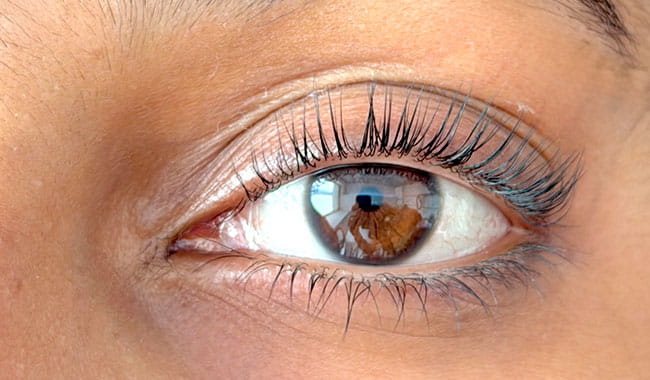
A lash lift is often called a “perm for your eyelashes,” but that comparison barely scratches the surface. Behind that clean, lifted curl is a precise chemical process that temporarily reshapes every individual lash. Knowing what actually happens to your natural lashes helps you choose the right professional, set realistic expectations, and care for your lashes properly. This guide explains the structural changes of a lash lift step by step, in plain language.
Eyelashes are made of keratin, the same protein found in hair and nails. Two layers matter most in a lash lift:
Because a lash’s shape is stored in these bonds, changing the shape means temporarily changing the bonds. That is exactly what a lash lift does.
Step 1: Preparation and Positioning
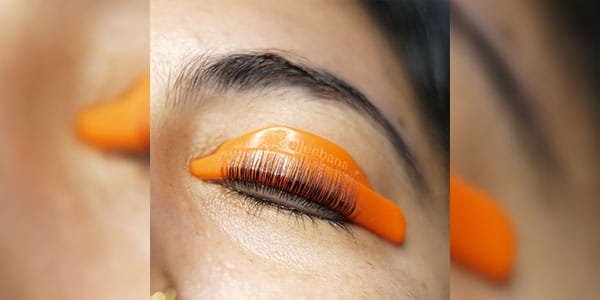
Your lash artist cleanses the lashes to remove oil and makeup, then selects a silicone rod or pad that suits your lash length and eye shape. The lashes are positioned upward and secured on the rod with adhesive. No structural change has happened yet, but this step matters because the lashes will be set in exactly this position.
Step 2: Lifting Lotion Softens the Lash
The lifting lotion gently opens the cuticle and reaches the cortex, where it breaks a portion of the disulfide bonds. The lash becomes flexible enough to take on the curve of the rod. Only some bonds are broken, never all of them, which is why accurate timing is essential. Over-processing can leave lashes dry, frizzy, or brittle.
Step 3: Setting Lotion Locks in the New Shape
The setting lotion rebuilds the bonds in their new position and allows the cuticle to lie flat again. Your lash now holds a lifted curve instead of its original angle. Many treatments also include a tint at this stage, which deepens lash colour for a more defined look.
Step 4: Cleansing and Finishing
The products are removed, the lashes are gently released from the rod, and they are brushed into place.
A lash lift reshapes the lash shaft only. It does not affect the hair follicle, the number of lashes you have, or their natural growth cycle. It also does not make lashes grow longer or thicker. They simply look longer because they point upward, revealing their full length instead of hiding behind a downward angle.
This is also why results are temporary. Each lash sheds naturally and is replaced by a new, straight one, so the lift fades gradually. Most clients see results last around 6 to 8 weeks. You can read more in our guide on whether a lash lift is worth it.
In the first 24 to 48 hours, lashes can feel slightly dry or stiff, and the curl may look stronger than expected. This usually relaxes within a few days as the lashes settle. Mild redness or watering can occur in sensitive eyes, so a patch test before your first appointment is a sensible precaution. Persistent irritation, pain, or swelling means you should stop and consult a doctor.
When performed by a trained professional using quality, professional-grade products, a lash lift is considered a safe cosmetic treatment. The risks come from DIY kits, expired products, and over-processing. Lash lifts are not recommended if you have an active eye infection, irritation, or a known allergy to the ingredients. When in doubt, ask for a patch test.
Does a lash lift damage natural lashes?
Not when done correctly. Damage usually comes from over-processing, poor products, or inexperienced application.
Can I get a lash lift every month?
Most people repeat the treatment every 6 to 8 weeks, once the lift has faded. Giving lashes a little recovery time between sessions is a good habit.


